- Architecture, Interior
Finishing and Painting Works
The success of any space doesn't rely solely on furniture choices or room layout. It begins with the integration of interior and exterior design alongside finishing details that shape the final look of a place. Paint finishing (nakasha) is one of the most important of these details, as it directly affects the sense of spaciousness, lighting, and comfort, while also highlighting architectural character and boosting a property's aesthetic value. That's why, when searching for interior design in Egypt or working with a professional decor company, paint work should be viewed as part of an integrated design vision — not just a wall color choice.
What Does "Nakasha Finishing" Mean?
Nakasha finishing refers to the stages of preparing walls and ceilings, then applying paint, colors, and final effects in a way that achieves a look consistent with the flooring, furniture, and lighting. The process typically includes surface treatment, priming for paint, selecting color shades, applying final coats, and reviewing details before handover.
A good result doesn't depend on paint quality alone — it depends on precise execution and how well the color and material match the nature of the space.
Contact us now for a free consultation, and let our team turn your walls into a cohesive canvas that reflects your taste.
The Importance of Nakasha Finishing in Interior Design
Nakasha finishing directly affects the final look of a space. Light colors can give small spaces a greater sense of openness, while darker tones or accent walls can add depth and character to a room.
Paint can also be combined with other elements for a richer design — such as wood wall decor, wall lighting, or wallpaper — so that all elements feel like part of one unified idea. This is where the value of working with an interior design specialist in Egypt comes in: someone who can connect color to the function of a space rather than choosing shades in isolation from the rest of the design.
Stages of Executing Well-Planned Nakasha Finishing
1. Consultation and Understanding the Space's Needs
The process begins with understanding the nature of the unit, the user's taste, preferred colors, expected furniture style, and how each room will be used. The goal is to arrive at a color palette that suits the intended use, lighting, and size of the space.
2. Planning and Defining the Design Style
At this stage, the overall direction is determined: modern, classic, neoclassical, or simple contemporary. Color distribution between walls and ceilings is studied, and walls that need extra treatment or additional detailing are identified.
When searching for new nakasha styles or browsing wall paint decor images, it's best to use them as inspiration, then adapt the idea to fit the actual dimensions of the space rather than copying the design as-is.
3. Choosing Colors and Coordinating with Furniture
Color selection should take into account flooring color, wood type, fabrics, and both natural and artificial lighting. A shade that looks right in a photo may appear different inside the home due to light direction and room size.
For bedrooms specifically, exploring bedroom paint color ideas can help identify shades that create a calmer, more harmonious atmosphere.
4. General Coordination and Execution
Once colors are approved, surface preparation begins — fixing imperfections, then applying paint according to plan. Edges, corners, and the meeting points between colors, ceilings, and doors must be reviewed, since small details determine the quality of the final result.
Some walls can be enhanced with additional touches, such as wood wall decor shapes, when they align with the overall concept of the space.
Nakasha Finishing Ideas for Modern Spaces
There's no single formula that suits every home. You can rely on neutral tones with one deeper-colored accent wall, or use multiple shades of the same color for a calm visual effect.
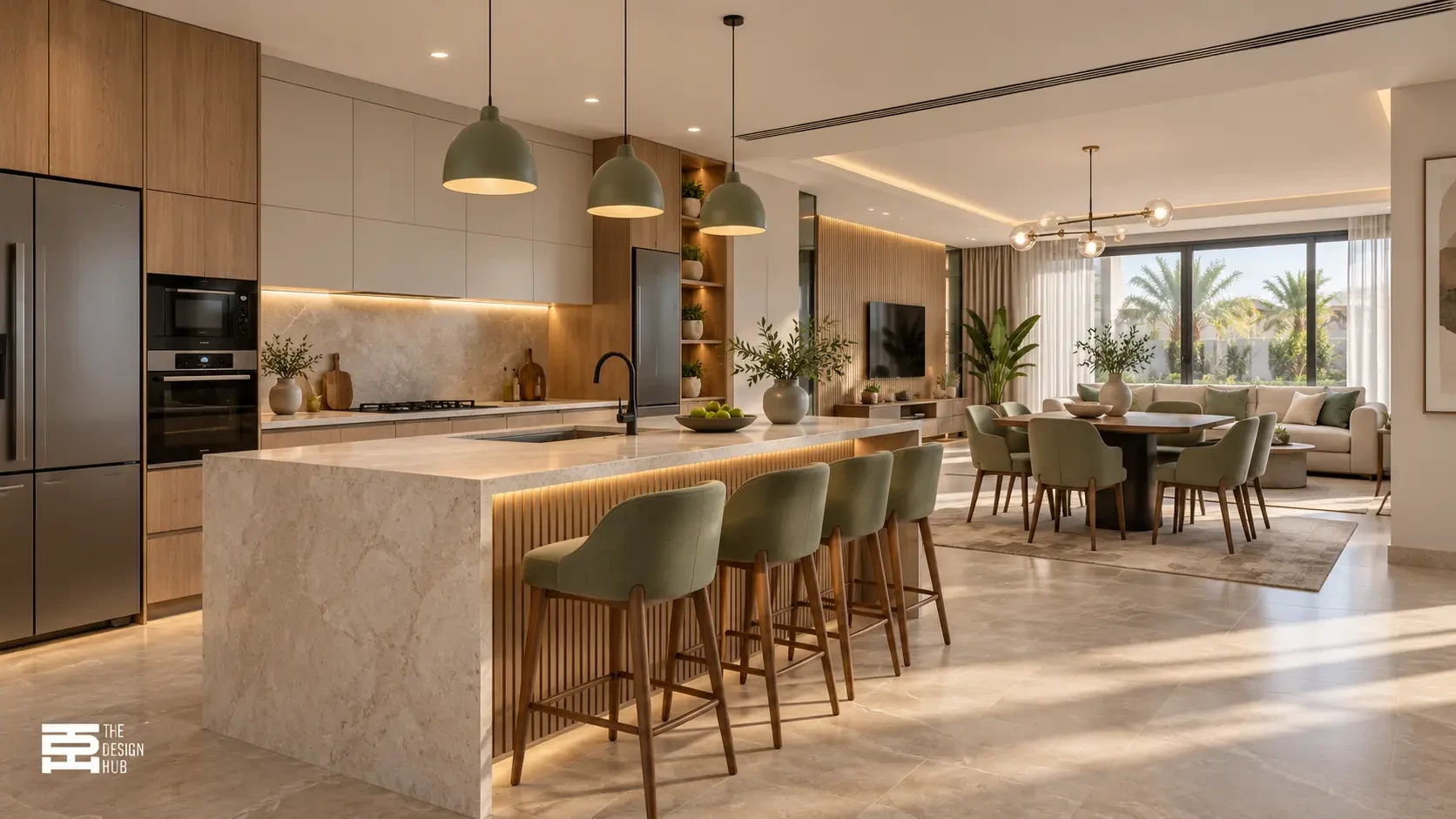
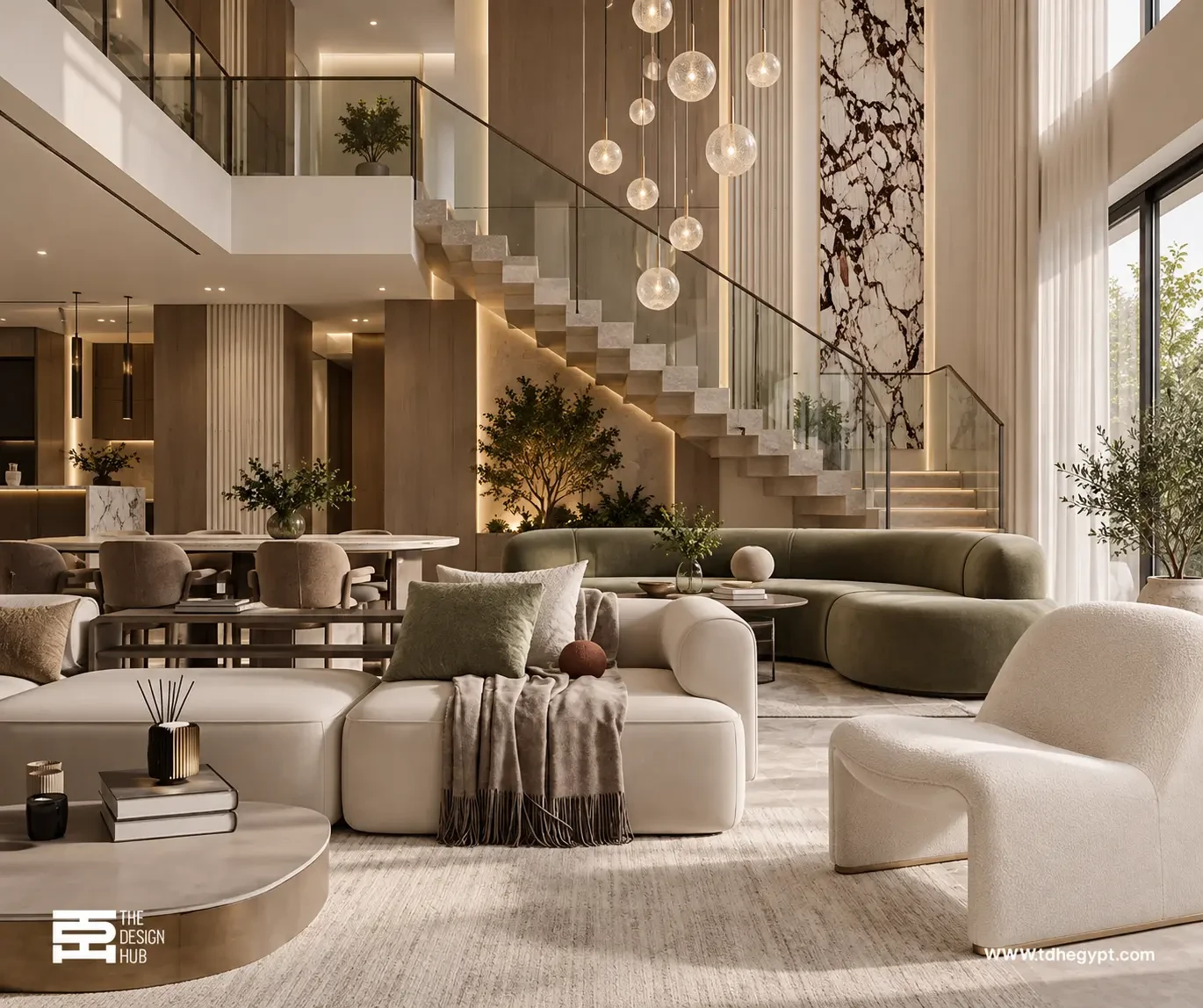
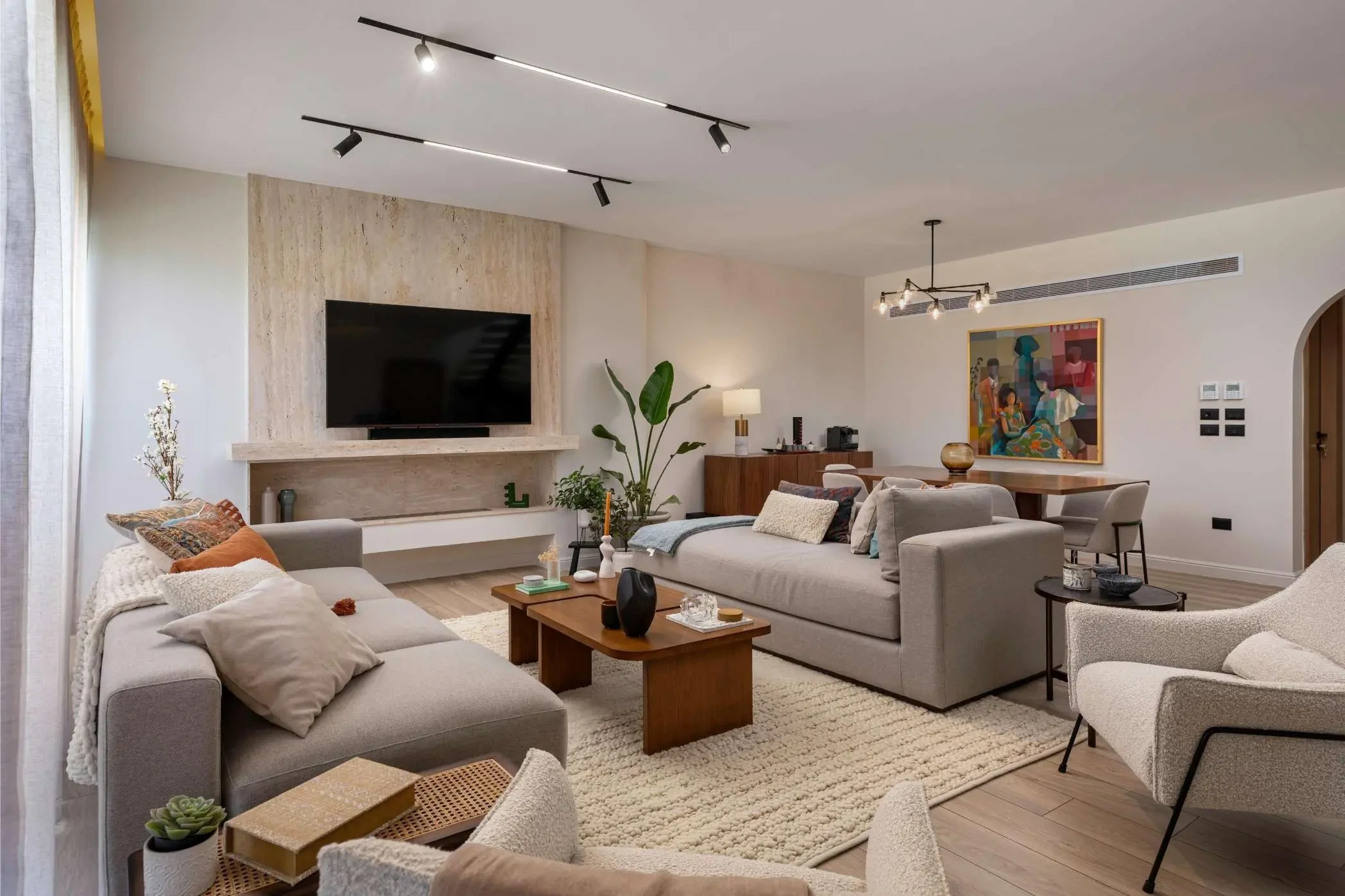
Reception area nakasha decor usually requires careful coordination with furniture and lighting, as these are among the most visible spaces. A main feature wall can be chosen as a focal point, while the rest of the walls remain in calmer tones. This design succeeds when the colors support the furniture arrangement rather than visually competing with it.
The Difference Between Nakasha in Residential vs. Commercial Design
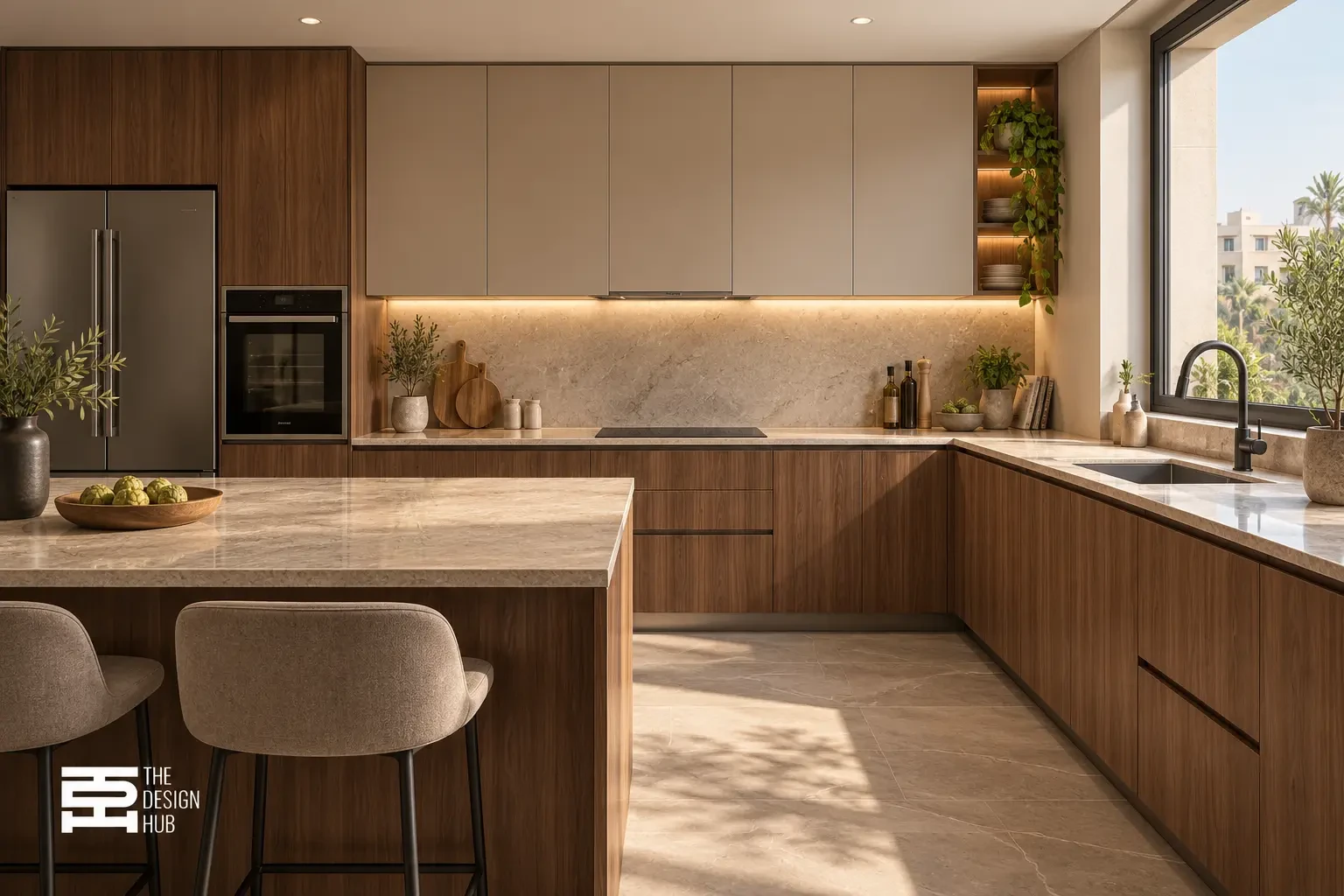
In residential design, priority is given to comfort and the homeowners' taste, while accounting for the different needs of each room. That's why residential interior design projects in Egypt need a color palette that creates cohesion between spaces while preserving each room's individual character.
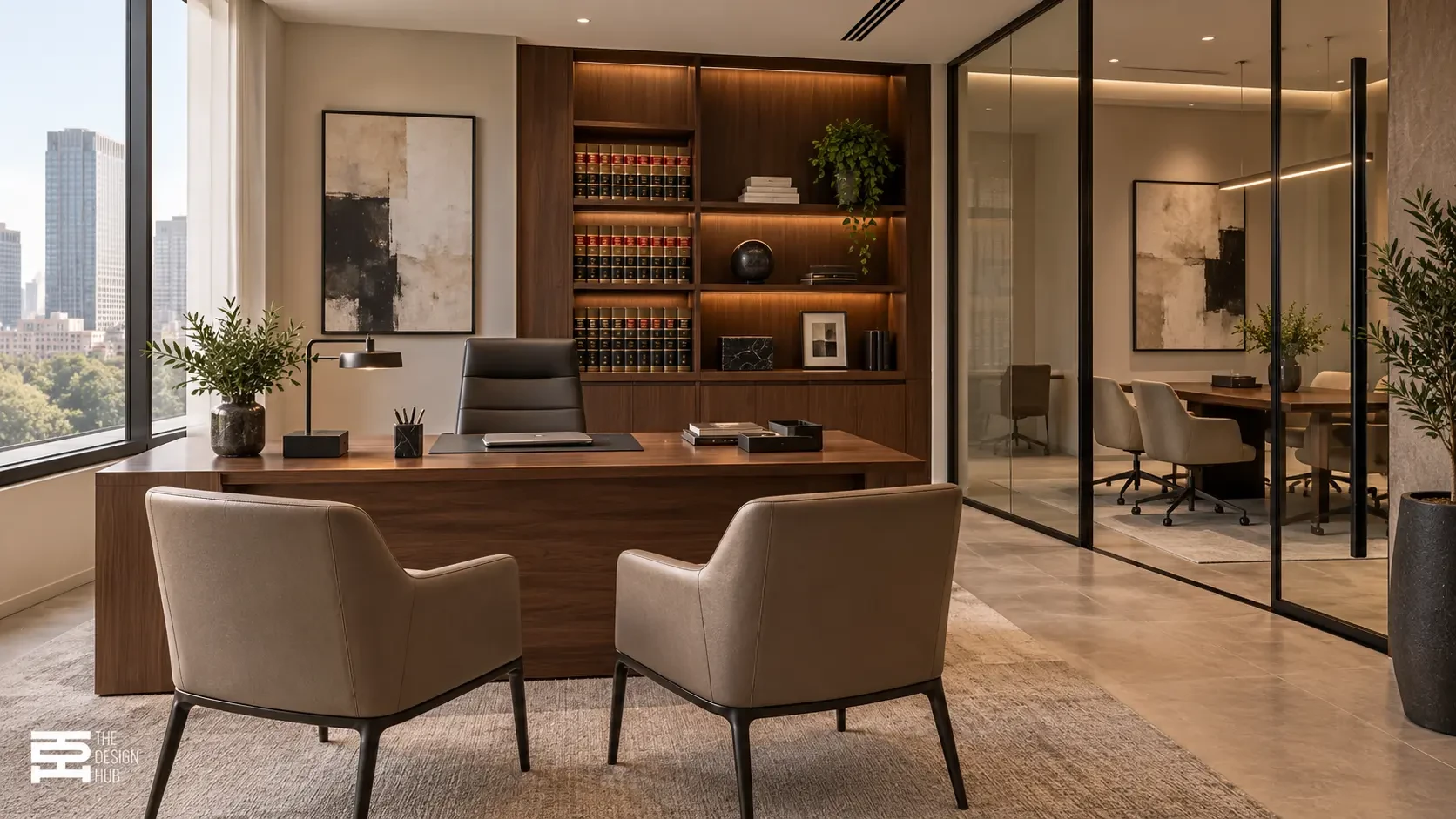
In commercial design, on the other hand, colors become part of the space's identity and the customer experience — choices differ between an office, a store, or a restaurant depending on the nature of the business. This is where a decor company with experience in both residential and commercial projects helps in selecting the right solution for the intended use.
How to Choose a Professional Company for Nakasha Finishing
The choice of contractor affects the outcome just as much as the color choices themselves. Key criteria include:
- Experience: Confirming actual design and execution experience, not just color suggestions.
- Portfolio: Reviewing past projects to understand the level of detail and range of styles.
- Budget Commitment: The scope of work and materials should be clearly defined before execution begins.
- Time Commitment: A clear plan for work stages reduces delays and random changes.
- Execution Supervision: Ongoing follow-up is essential to ensure the result matches the approved design.
It's also preferable to choose a decor company that handles nakasha as part of the overall project, since coordinating paint with flooring, carpentry, and lighting reduces conflicts between elements and improves the quality of the final result.
What Affects the Cost of Nakasha Finishing?
Cost varies depending on wall condition, unit size, type of paint and materials, the number of colors or effects used, and the extent of surface treatment and preparation needed. For this reason, it's best not to rely on a fixed price without an on-site assessment and clearly defined scope of work.
To better understand overall project costs, you can check our guide to finishing price per square meter in Egypt, while our bridal apartment finishing guide is useful for understanding how to coordinate finishing stages when preparing a complete residential unit.
The Design Hub and Integrated Design Solutions
The Design Hub was founded by architect Ahmed Maher in 2016 and has delivered solutions across more than 100 residential and commercial projects. Its services include interior design, exterior design, execution of existing designs, and integrated solutions — allowing nakasha finishing to be treated as part of the overall project rather than a separate stage.
This approach benefits anyone searching for a decor company capable of coordinating colors, materials, furniture, and architectural details within a single vision — especially when executing an interior design project in Egypt that requires guidance from the initial concept through to the final result.
Start Your Project With a Clear Vision
Successful nakasha finishing begins before the paint can is even opened — it starts with understanding the space, defining the right style, and choosing colors in light of the furniture, lighting, and other materials. The clearer the planning, the more harmonious the result, and the less prone it is to changes during execution.
If you're planning to renovate your home or prepare a residential or commercial space, you can contact The Design Hub to book a design consultation, discuss your project's needs, and arrive at an integrated vision that suits your space and budget.